
Project Background
Wastewater from multiple chemical enterprises in the industrial park still contains high concentrations of dissolved salts and recalcitrant organic compounds after biochemical treatment, limiting direct discharge due to total emission caps. The project requires adding membrane concentration and evaporation crystallization units downstream of the existing biochemical system to enable water reuse and achieve zero liquid discharge.
Raw Water Quality and Treatment Objectives
The biochemical effluent exhibits significant fluctuations in COD and organic content, high conductivity, and a strong tendency for membrane fouling. The treatment objective is to reuse the effluent as makeup water for the circulating cooling system and send the concentrate to an evaporation crystallization unit, achieving overall recovery rates that meet park requirements.
Process Route and Product Selection
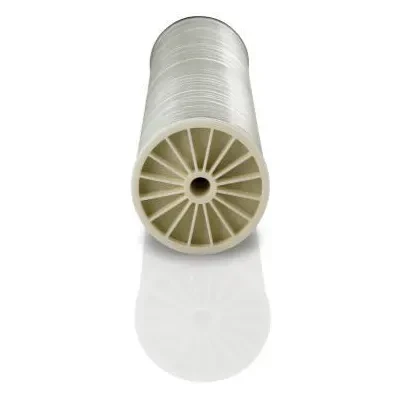
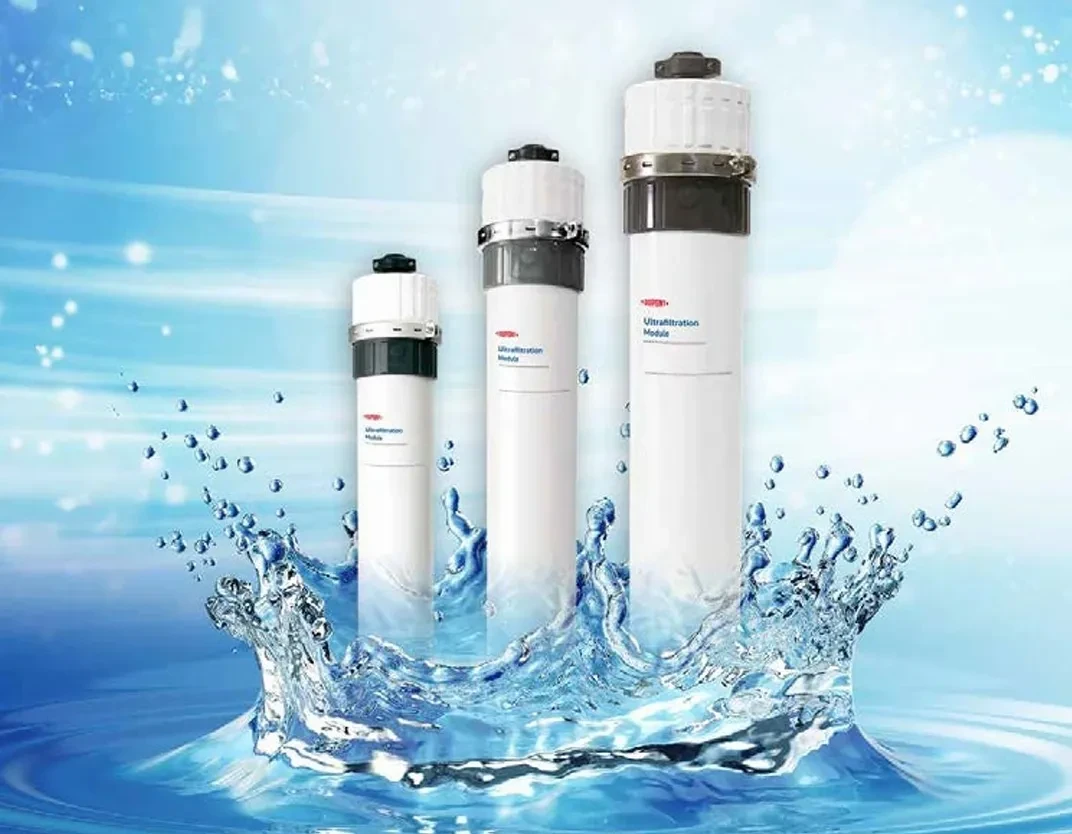
Process flow: biochemical effluent → coagulation/sedimentation → ultrafiltration (UF) → high-rejection anti-fouling reverse osmosis (RO) → concentrate evaporation and crystallization. The UF stage uses DuPont SFP-2880 external-pressure PVDF hollow fiber membrane modules, employing air-water backwashing combined with periodic chemical-enhanced backwashing to control membrane fouling. The RO concentration stage utilizes DuPont Fortilife CR100 high-rejection anti-fouling brackish water membrane elements, featuring a low operating differential pressure design to handle high-fouling feedwater.
Run Results
After commissioning, the pressure differential across the RO train remained stable, extending the chemical cleaning cycle beyond initial design expectations. The reclaimed product water quality met requirements for makeup to the cooling water system. During operation, the pretreatment dosing strategy was adjusted in response to feedwater fluctuations, further reducing the membrane fouling rate.
Run Results
- Increased Reuse Rate
- Extended condensation segment cleaning cycle
- Stable operating pressure differential of the membrane system